دانشگاه بینالمللی D-۸؛ مدلی نوین برای همکاری علمی جهانی
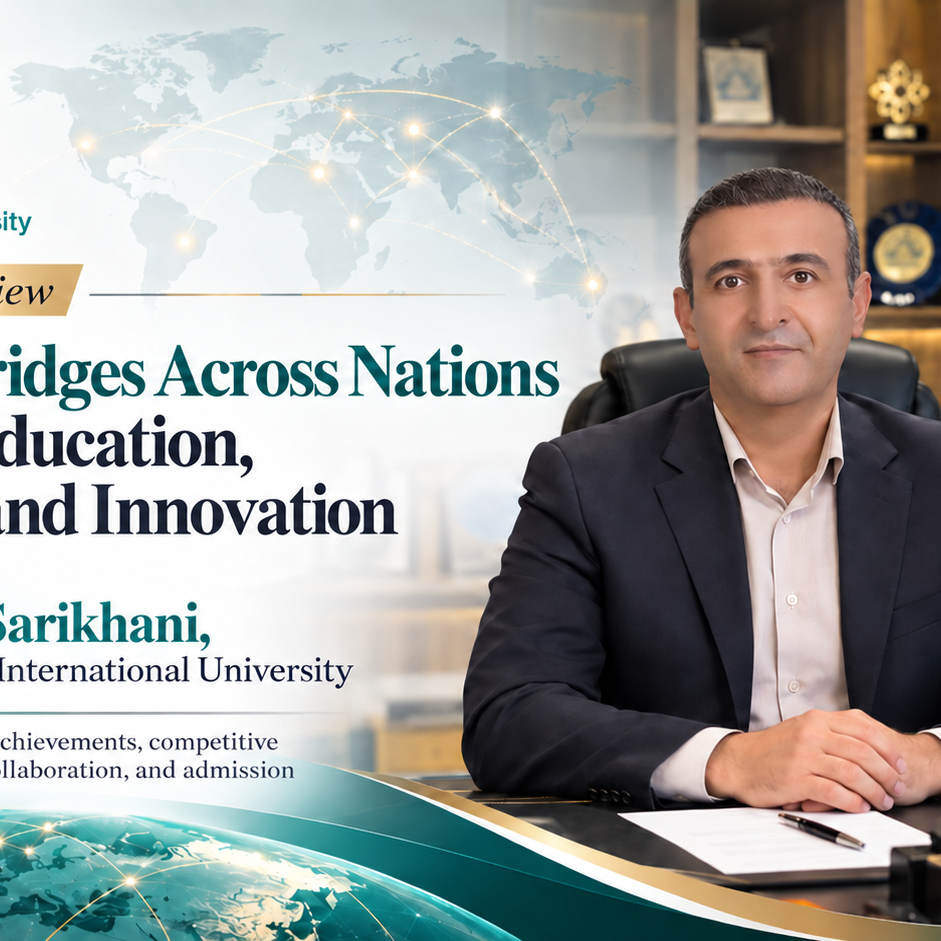
به گزارش روابط عمومی وزارت علوم به نقل از دانشگاه بینالمللی D-۸، در جهانی که دانش سریعتر از همیشه از مرزها عبور میکند، الگویی نوین از دانشگاه پا به عرصه گذاشته است؛ دانشگاهی شبکهمحور که به جای تمرکز بر یک مکان فیزیکی، بر ایجاد پیوند میان ظرفیتهای علمی بینالمللی تکیه دارد.
دانشگاه بینالمللی D-۸ با گردهمآوردن توان علمی هشت کشور بنگلادش، مصر، اندونزی، ایران، مالزی، نیجریه، پاکستان و ترکیه، این مدل را محقق ساخته است. در گفتگو با دکتر حسن ساریخانی، رئیس دانشگاه، به بررسی ابعاد متفاوت این نهاد، سازوکار عملکرد آن و چشمانداز پیشرو پرداختیم.
شما ریاست دانشگاهی را بر عهده دارید که شبیه دانشگاههای سنتی نیست. آن را چگونه توصیف میکنید؟
دکتر ساریخانی: این پرسش، نقطه شروع درستی است؛ چرا که دانشگاه بین المللی D-۸ بهراستی یک نهاد متفاوت است. ما یک دانشگاه با یک پردیس بزرگ و ساختمانهای ثابت نیستیم، بلکه یک «شبکه» هستیم؛ شبکهای که همچون پلی، دانشگاهها، پژوهشگران و دانشجویان هشت کشور را به یکدیگر پیوند میدهد.
کشورهای عضو ما هر یک از دانشگاههای معتبر، اساتید مجرب و زیرساختهای پژوهشی قدرتمندی برخوردارند. کاری که ما انجام میدهیم، اتصال و بهرهگیری هوشمندانه از همین ظرفیتهاست. در این اکوسیستم، جمهوری اسلامی ایران بهعنوان میزبان دانشگاه در همدان و کانون هماهنگکننده شبکه، نقشی کلیدی و محوری دارد.
مزیت بزرگ برای دانشجو این است که به یک مکان محدود نیست. او میتواند همزمان با اساتیدی در مالزی کار کند، در آزمایشگاههای ایران پژوهش کند، از ظرفیتهای آموزشی پاکستان بهرهمند شود و با همتایان اندونزیایی خود در یک پروژه مشترک همکاری کند؛ همه اینها در چارچوب یک تجربه تحصیلی واحد و یکپارچه.
در حال حاضر، شبکه ما شامل بیش از ۴۱ دانشگاه است و ما فراتر از مرزهای D-۸ نیز با نهادهای بینالمللی در تعامل هستیم. به همین دلیل، وقتی از من میپرسند دانشگاه بین المللی D-۸ چیست، صادقانه میگویم: ما یک «دانشگاه بدون دیوار» هستیم و پردیس ما، تمامی جامعه D-۸ است.
چه چیزی این مدل را کارآمد میکند؟ چرا فقط یک دانشگاه سنتی نساختید؟
دکتر ساریخانی: زیرا مدل سنتی محدودیتهای خود را دارد و تصمیم گرفتیم گامی بلندپروازانهتر برداریم. یک دانشگاه سنتی به هیات علمی، آزمایشگاهها و کتابخانه خود وابسته است. این رویکرد اگرچه ارزشمند است، اما به معنای محدود ماندن به داشتههای یک پردیس واحد است. ما پرسش متفاوتی را مطرح کردیم: چه میشود اگر بتوانیم به دانشجویان، دسترسی همزمان به بهترین ظرفیتهای علمی هشت کشور را هدیه دهیم؟
این دقیقاً همان رسالتی است که شبکه ما دنبال میکند. اگر دانشجویی به آزمایشگاه تخصصی در مالزی نیاز داشته باشد، امکان حضور در آن را دارد. اگر استادی در نیجریه روی مسئلهای کار کند که پژوهشگری در کشور دیگری نیز روی همان موضوع متمرکز است، ما این دو را به یکدیگر متصل میکنیم.
نگرش ما رقابت با دانشگاههای موجود نیست؛ بلکه ایجاد پیوند و همافزایی میان آنهاست. قدرت ما از این شبکه گسترده و منسجم میآید، نه از یک پردیس واحد و محدود. در واقع، ما بستر و زیرساختی فراهم کردهایم که در آن، هر کشور عضو بتواند توانمندیهای خود را در یک اکوسیستم علمی مشترک به نمایش بگذارد و از ظرفیتهای دیگران نیز بهرهمند شود.
این مدل در عمل برای یک دانشجو چگونه کار میکند؟
دکتر ساریخانی: بگذارید برای درک بهتر، یک مثال عینی از مسیر یک دانشجو بزنم. یک دانشجوی دکتری در چارچوب «ابتکار پل بینالمللی» ما، ممکن است پژوهش خود را در یک دانشگاه در پاکستان آغاز کند. سپس، از طریق شبکه ما، مدتی را در دانشگاه بینالمللیD-۸ در ایران سپری میکند تا از امکانات و آزمایشگاههای تخصصی برای پژوهش خود استفاده کند. در همین حال، استاد راهنمای او ممکن است از مالزی باشد و پژوهشش بخشی از یک پروژه مشترک با حضور پژوهشگرانی از نیجریه و اندونزی تعریف شود.
هنگام فارغالتحصیلی، این دانشجو یک مدرک دوگانه دریافت میکند که توسط هر دو نهاد به رسمیت شناخته شده است. اما مهمتر از آن، او با یک شبکه بینالمللی از مخاطبین، تجربه زندگی و پژوهش در محیطهای آکادمیک مختلف و یک پروفایل پژوهشی واقعاً جهانی فارغالتحصیل میشود. این تجربه دانشگاه بین المللی D-۸ است؛ این فقط گرفتن مدرک نیست، بلکه عضویت در یک جامعه آکادمیک جهانی و بهرهمندی از یک اکوسیستم علمی چندملیتی است.
از سوی دیگر، این مدل برای ایران نیز دستاوردهای ارزشمندی به همراه دارد؛ چرا که حضور فعال دانشجویان و پژوهشگران بینالمللی در کشور، ضمن تقویت دیپلماسی علمی و افزایش تعاملات دانشگاهی، بستری برای معرفی توانمندیهای علمی ایران به جهان، جذب استعدادهای برتر و توسعه همکاریهای پژوهشی مشترک فراهم میآورد.
این تجربه دانشگاه بین المللی D-۸ است؛ این فقط گرفتن مدرک نیست، بلکه عضویت در یک جامعه آکادمیک جهانی و بهرهمندی از یک اکوسیستم علمی چندملیتی است.
دانشگاه تمرکز زیادی روی پژوهش دارد. شما روی چه چیزی کار میکنید؟
دکتر ساریخانی: پژوهشهای ما حول مشکلاتی ساخته شدهاند که کشورهای عضو در آن سهیم هستند، زیرا این مشکلاتی هستند که هیچ کشوری به تنهایی نمیتواند حل کند. ما روی سه حوزه اصلی تمرکز داریم: آب، محیط زیست و جمعیت.
پروژه آب، یک پروژه محوری در دانشگاه ماست. از طریق ابتکار «نجاتدهندگان علمی آب»، ما ۶۵ متخصص از ۲۱ نهاد پیشرو در کشورهای D-۸ را گرد هم آوردهایم. حتی پژوهشگرانی از کشور چین نیز به جمع ما اضافه شده اند. دانشگاههای ایران، نقشی کلیدی در هدایت این پروژه ایفا خواهندکرد. آنها روی مدیریت پایدار آب، آبیاری کارآمد، تصفیه آب و دسترسی به آب سالم کار میکنند. این فقط یک پروژه تحقیقاتی نیست؛ یک تلاش عملی برای مقابله با چالشی واقعی است که میلیونها نفر را تحت تأثیر قرار میدهد.
شما همچنین بر چیزی به نام «دیپلماسی علمی» تاکید میکنید. این به چه معناست؟
دکتر ساریخانی: دیپلماسی علمی به معنای استفاده از علم و دانش به عنوان ابزاری برای ایجاد پلهای ارتباطی و اعتمادسازی میان کشورهاست. کشورهای D-۸ از فرهنگها، اقتصادها و نظامهای متنوعی برخوردارند، اما وقتی دانشمندان و پژوهشگران این کشورها گرد هم میآیند تا روی یک چالش مشترک کار کنند، این تفاوتها رنگ میبازند. ما این را بارها و بارها در عمل دیدهایم؛ وقتی پژوهشگرانی از ایران و مالزی با هم روی یک پروژه آبی کار میکنند، تمام تمرکزشان بر یافتن راهحل برای یک مشکل واقعی است، و همین همکاریهای علمی، اعتماد، درک متقابل و روابط پایدار بلندمدت را ایجاد میکند.
ما در دانشگاه بینالمللی D-۸ این ظرفیت را داریم که ایران را به عنوان قطب دیپلماسی علمی در میان کشورهای D-۸ و حتی فراتر از آن، در سطح جهان اسلام تثبیت کنیم. این یک ادعا نیست، بلکه مسیری است که تاکنون مراحل مهمی از آن را با موفقیت طی کردهایم. پروژههای مشترک علمی، برگزاری موفق هیات امنای دانشگاه در سطح وزیران علوم هشت کشور و شبکهسازیهای بینالمللی که با محوریت ایران شکل گرفتهاند، گواهی بر این موفقیت است. دیپلماسی علمی، ابزار قدرتمندی است که میتواند علاوه بر حل مشکلات مشترک، جایگاه راهبردی ایران را در تعاملات علمی و دیپلماتیک منطقه ارتقا دهد.
چه برنامههای تحصیلی ارائه میدهید و دانشجویان چگونه میتوانند درخواست دهند؟
دکتر ساریخانی: تمرکز اصلی ما بر تحصیلات تکمیلی، یعنی مقاطع کارشناسی ارشد و دکتری است. گستره رشتههای ما بسیار وسیع است و از علوم، مهندسی، فناوری، کشاورزی، منابع طبیعی و دامپزشکی تا مدیریت، اقتصاد، علوم انسانی، علوم اجتماعی، حقوق، هنر و معماری را در بر میگیرد. ما همچنین برنامههای مشترک، مدارک دوگانه و فرصتهای تبادل دانشجو و استاد را در چارچوب این شبکه بینالمللی ارائه میدهیم.
برای شروع فرآیند پذیرش، دانشجویان علاقهمند میتوانند مستقیماً با دفتر پذیرش ما به آدرس d۸[email protected] مکاتبه کنند. در این ایمیل، کافی است نام و نام خانوادگی، برنامه و مقطع تحصیلی مورد نظر و کشور مبدأ خود را ذکر کنند. تیم پذیرش ما، آنها را گام به گام در تمام مراحل راهنمایی خواهد کرد. ما از حضور دانشجویان واجد شرایط از کشورهای عضو D-۸ و همچنین سایر نقاط جهان، استقبال میکنیم. البته در حال حاضر در تلاش هستیم مجوز جذب محدود دانشجویان ایرانی هم از متولیان داخلی اخذ گردد.
شهریهها چگونه است؟
دکتر ساریخانی: شهریههای ما با استانداردهای بینالمللی رقابتی است. جدول شهریهها به شرح زیر است:
چند نکته مهم هم عرض کنم، تخفیف ویژه ای برای کشورهای عضو وجود دارد، دانشجویان واجد شرایط از کشورهای عضو سازمان D-۸ ممکن است مشمول تخفیف شهریه تا ۵۰ درصد شوند. دانشگاه علاوه بر تخفیفها، بورسیههای تحصیلی و حمایتهای پژوهشی را نیز ارائه میدهد.
همانطور که گفتم، هدف این است که هزینه تحصیل به جای «مانع»، به یک «پل» برای دسترسی استعدادهای برتر به آموزش عالی در سطح جهانی تبدیل شود.
چشمانداز شما برای آینده دانشگاه بینالمللی D-۸ چیست؟
دکتر ساریخانی: هدف ما روشن است. میخواهیم دانشگاه بینالمللی D-۸ به یک پل آکادمیک پیشرو میان کشورهای عضو و میان منطقه ما و جهان گستردهتر تبدیل شود.
ما میخواهیم به خاطر همکاریهای بینالمللی، پژوهشهای مشترک، فعالیت پویای آکادمیک، نوآوری و علمی که به مشکلات واقعی میپردازد، شناخته شویم.
دفتر امور بینالملل ما شبکههای قوی و سطح بالایی با وزیران و وزارتخانههای آموزش عالی، دانشگاههای پیشرو و دانشمندان برجسته در سراسر کشورهای D-۸ و فراتر از آن ایجاد کرده است. این چیزی نیست که هر دانشگاهی بتواند ادعای آن را داشته باشد. این یک پنجره منحصربهفرد برای ماست.
این فقط یک تعارف یا شعار نیست. هیات امنای ما، عالیترین مقامات آموزش عالی کشورهای عضو را گرد هم میآورد؛ وزیران علوم، آموزش عالی و فناوری، در کنار دبیرکل سازمان همکاریهای اقتصادی D-۸، رئیس دانشگاه بنیانگذار (دانشگاه بوعلی سینا)، دانشمندان برجسته و رئیس خود دانشگاه. هیات امنا عالیترین رکن تصمیمگیری ماست که تشکیل جلسه میدهد تا سیاستها را تعیین، برنامهها را تصویب و آینده دانشگاه را هدایت کند. وقتی وزیران در کنار پژوهشگران و رهبران دانشگاهها مینشینند، تصمیمات از بیرون به ما تحمیل نمیشود، بلکه با هم و در کنار یکدیگر گرفته میشود. مایه افتخار ماست که وزیر علوم، تحقیقات و فناوری جمهوری اسلامی ایران، ریاست این هیات را بر عهده دارد و این جایگاه، نقش راهبردی ایران را در هدایت این اکوسیستم علمی جهانی تثبیت میکند.
به همین دلیل است که ما در دانشگاه بین المللی D-۸ همواره خود را بخشی از اکوسیستم آکادمیک کشورهای D-۸ میدانیم، نه خارج از آن. این یک شعار نیست، بلکه یک باور عمیق به هویت ماست. به واسطه این ارتباطات، ما میتوانیم یک ایده علمی را بگیریم و آن را به طور واقعی در سراسر جامعه D-۸ عملی کنیم. چه یک پروژه پژوهشی مشترک باشد، چه یک برنامه آکادمیک جدید یا یک ابتکار آزمایشگاهی مشترک، ما روابط، اعتماد و حمایتهای بیندولتی لازم را برای تحقق آن در اختیار داریم.
ما برای این جایگاه سپاسگزاریم و آن را نه فقط یک افتخار، بلکه یک مسئولیت میدانیم.
درباره دانشگاه بینالمللی D-۸
دانشگاه بینالمللی D-۸ یک نهاد آکادمیک بیندولتی است که در چارچوب سازمان همکاریهای اقتصادی D-۸ تأسیس شده است. این دانشگاه بر آموزش تحصیلات تکمیلی، پژوهشهای بینالمللی، تحرک آکادمیک، نوآوری و همکاری علمی میان کشورهای عضو سازمان همکاریهای اقتصادی D-۸ و با جامعه آکادمیک بینالمللی گستردهتر تمرکز دارد.
اطلاعات تماس
دانشگاه بینالمللی D-۸، خیابان فرهنگ، همدان، ایران
پذیرش: d۸[email protected]
D-۸ International University: A New Model for Global Academic Cooperation
An Interview with Dr. Hassan Sarikhani, Chancellor of D-۸ International University
In a world where knowledge crosses borders faster than ever, a new kind of university has emerged, one with a diverse presence across many campuses, built uniquely on connection. D-۸ International University brings together the academic strengths of eight nations: Bangladesh, Egypt, Indonesia, Iran, Malaysia, Nigeria, Pakistan, and Türkiye. We spoke with Dr. Hassan Sarikhani, the University's Chancellor, to understand what makes this institution different, how it works, and where it is headed.
You lead a university that doesn't look like a traditional university. How would you describe it?
Dr. Sarikhani:
That's the right question to start with, because D-۸IU really is a different kind of institution.
We are not a university with one big campus and a fixed set of buildings. We are a network. Think of us as a bridge that connects universities, researchers, and students across eight countries.
Each of our member states already has excellent universities, talented professors, and strong research facilities. What we do is connect those strengths. A student at D-۸IU is not limited to one campus. They can work with professors in Malaysia, conduct research in Iran, take courses from Pakistan, and collaborate with peers in Indonesia, all within one academic experience.
We currently have more than ۴۱ universities in our network. And we are connected not only within the D-۸ region but also with institutions in other parts of the world.
So, when people ask what D-۸IU is, I say: we are a university without walls. Our campus is the entire D-۸ community.
What makes this model work? Why not just build a traditional university?
Because the traditional model has limits and we wanted to do something more ambitious.
A traditional university depends on its own faculty, its own laboratories, its own library. That works well, but it also means you are limited by what you have on your own campus.
We asked a different question: what if we could give students access to the best of eight countries at once?
That is what our network does. If a student needs a specific laboratory that exists in Malaysia, they can go there. If a professor in Nigeria is working on a problem that a researcher in Iran is also studying, we connect them. If a university in Bangladesh has expertise in water management, we bring that expertise into our joint programs.
We are not competing with existing universities. We are connecting them. Our strength comes from the network, not from a single campus.
How does this work in practice for a student?
Let me give you a concrete example.
A PhD student in our International Bridge Initiative might start their research at a university in Pakistan. Through our network, they spend time at D-۸IU in Iran to use specialized research facilities. Their supervisor might be from Malaysia. Their research might be part of a joint project involving researchers from Nigeria and Indonesia.
When they graduate, they receive a dual degree recognized by both institutions. But more importantly, they leave with an international network of contacts, experience in different academic environments, and a research profile that is genuinely global.
That is the D-۸IU experience. It is not just about getting a degree. It is about becoming part of a global academic community.
The University has a strong focus on research. What are you working on?
Our research is built around problems that our member countries share because these are problems that no single country can solve alone.
We focus on three main areas: water, environment, and population.
Water is our flagship. Through our Scientific Water Saviors initiative, we have brought together ۶۵ experts from ۲۱ leading institutions across the D-۸ countries. They are working on sustainable water management, efficient irrigation, water purification, and access to safe water. This is not just a research project. It is a practical effort to address a real challenge that affects millions of people.
Our environmental research looks at climate action, green technologies, biodiversity, and sustainable natural resource management.
Our population research examines migration, urbanization, youth employment, aging populations, and regional development.
And we are developing an international scientific journal a platform where researchers from D-۸ countries and beyond can publish their work and share their findings with the global academic community.
You also emphasize something called "scientific diplomacy" What does that mean?
It means using science as a way to build relationships between countries.
The D-۸ countries have different cultures, different economies, different political systems. But when scientists work together on a shared problem — like water scarcity or climate change those differences become less important. They focus on the science.
We have seen this happen again and again. When researchers from Iran and Malaysia work together on a water project, they are not thinking about politics. They are thinking about how to solve a problem. And that creates trust, understanding, and long-term relationships.
This is one of the most valuable things D-۸IU can do. We are not just producing research. We are building bridges between nations.
What programs do you offer?
We focus on graduate education, Master's and PhD levels.
Our fields are broad: science, engineering, technology, agriculture, natural resources, veterinary sciences, management, economics, humanities, social sciences, law, arts, and architecture.
But we are particularly interested in interdisciplinary work. Many of today's most important problems such as water, climate, food security, digital transformation, cannot be solved within a single discipline. So, we encourage students and researchers to work across boundaries.
We offer joint degree programs, dual degree programs, joint PhD initiatives, student and faculty exchange, and international research projects.
And we are developing new programs all the time including programs in the literature and languages of our member countries.
What about students who want to join? How do they apply?
We have worked hard to make the process simple and accessible.
Students can send an email directly to our Admissions Office at d۸[email protected] . They just need to include their name, the program and degree level they are interested in, and their country of origin. Our team will guide them through the process step by step.
We welcome qualified students from D-۸ countries and from other parts of the world.
And we want to make it affordable. Students from D-۸ member countries may be eligible for tuition discounts of up to ۵۰ percent. We also offer scholarships, research support, and sponsorship opportunities.
Our goal is simple: to make world-class graduate education accessible to talented students, regardless of their financial situation.
What are the tuition fees?
Our fees are competitive with international standards:
And as I mentioned, students from D-۸ member countries may be eligible for discounts of up to ۵۰ percent.
We are also working to develop more scholarship opportunities, research grants, and full or partial sponsorship through public and private institutions.
We want cost to be a bridge, not a barrier.
What is your vision for the future of D-۸ International University?
Our goal is clear: we want D-۸IU to become a leading academic bridge among the D-۸ countries and between our region and the wider world.
We want to be known for international cooperation, joint research, academic mobility, innovation, and science that addresses real problems.
And I say this with real pride: our International Affairs Office has built strong, high-level networks with Ministers and Ministries of higher education, leading universities, and with high rank scholars across the D-۸ countries and beyond. That is not something every university can claim. It is a unique window for us.
This is not just a figure of speech. Our Board of Trustees brings together the highest academic officials from our member states, Ministers of science, higher education, and technology, alongside the D-۸ Secretary-General, the Head of our Founding University, Distinguished Scientists, and our own Chancellor. The Board is our highest decision-making body, and it meets regularly to set policy, approve programs, and guide the University's future. When ministers sit at the same table as researchers and university leaders, decisions are not made about us from the outside, they are made with us, together.
This is why we at D-۸IU have always seen ourselves as part of the D-۸ countries' academic ecosystem not outside of it. This is not a slogan. It is a deep belief in who we are.
Because of these connections, we can take a scientific idea and actually implement it across the D-۸ community. Whether it is a joint research project, a new academic program, or a shared laboratory initiative we have the relationships, the trust, and the intergovernmental support to make it happen.
We are grateful for this. And we take it as a responsibility, not just an honor.
D-۸IU: A University Beyond a Single Campus
D-۸ International University is a network-based international university that connects the academic capacities of eight countries, Bangladesh, Egypt, Indonesia, Iran, Malaysia, Nigeria, Pakistan, and Türkiye.
It is more than a conventional university. It is a bridge connecting universities, researchers, innovators, and the next generation of scholars across the D-۸ community and the world.
About D-۸ International University
D-۸IU is an intergovernmental academic institution established within the framework of the D-۸ Organization for Economic Cooperation. The University focuses on graduate education, international research, academic mobility, innovation, and scientific cooperation among D-۸ countries and with the wider international academic community.
Contact Information
Hamedan, Iran
General Inquiries: [email protected]۸.int
Admissions: d۸[email protected]